Sedated by Softness: How 'Cozy' Became the Fashion Industry's Most Effective Lie
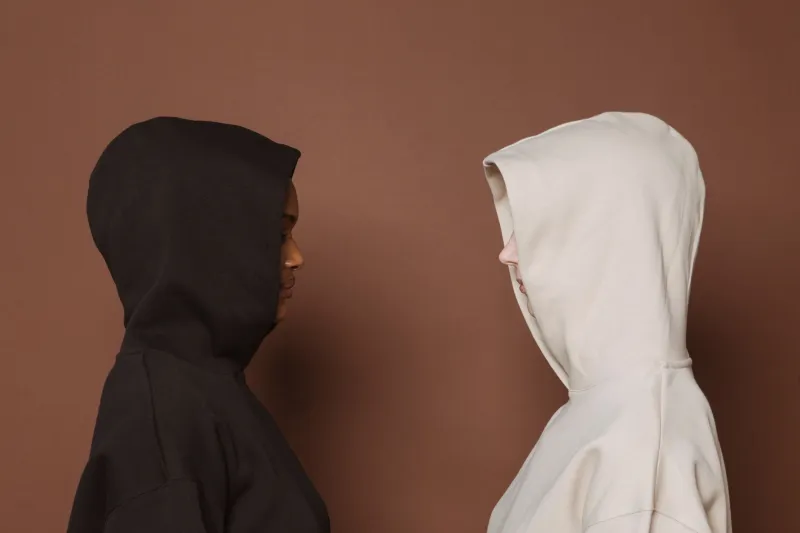
There's a hoodie in your closet right now. You know the one. It's the color of fog, weighs almost nothing, and the tag says something like crafted for your well-being or designed to feel like home. You bought it during a rough stretch — maybe a bad winter, maybe a worse year — and it genuinely helped. That part isn't a lie. But everything the brand built around that hoodie? That's where things get interesting.
The comfort industrial complex didn't happen by accident. It was engineered, branded, and rolled out with the same precision as any other product launch. The difference is that this one didn't sell you a jacket. It sold you a permission slip to stop paying attention.
The Soft Sell Has Always Been a Hard Strategy
Go back and look at how major apparel brands shifted their language around 2015 or so. Words like performance and style started giving way to ease, softness, sanctuary. Athleisure was the opening act, but the real headliner was something more ambient — this idea that clothing should function as emotional armor against a difficult world. That wearing the right fabric could constitute an act of self-preservation.
And look, the world is difficult. Nobody here is going to tell you that wanting to feel okay in your own skin is naive or weak. But there's a significant gap between clothing that genuinely serves your body and clothing that's been psychologically positioned to make you feel cared for so you don't look too hard at the supply chain behind it.
That gap is where a lot of major brands currently live.
When a DTC loungewear startup tells you their $110 sweatpants are "a hug for your nervous system," they're not describing a product feature. They're running interference. They're giving you an emotional experience to latch onto so the question who made this, and what did it cost them? never quite surfaces.
Coziness as Complicity
Here's the uncomfortable part: comfort aesthetics work on us because we're tired. Genuinely, structurally tired. Americans are overworked, overstimulated, and increasingly aware that the systems around them are broken in ways that feel too large to fix. Into that exhaustion steps a brand with a muted color palette and a tagline about slowing down, and something in us just... exhales.
That exhale is real. The relief is real. But the brand didn't create the conditions for your rest — they monetized the conditions of your depletion. There's a difference between a product that helps you recover and a product that profits from the fact that you need to.
The "cozy" aesthetic — all oatmeal tones, oversized silhouettes, and references to hygge and cottagecore — has become one of the most effective tools for what you might call aesthetic anesthesia. It doesn't just sell you a look. It sells you a disposition. A softened, inward-facing orientation that, by design, doesn't ask too many questions.
Critical thinking is not cozy. Outrage is not cozy. Solidarity is not cozy. And brands know this.
The Materials Question Nobody Wants to Ruin the Vibe With
Let's talk about what's actually in the cloud-soft thing. A huge portion of the loungewear and "comfort" apparel market is built on synthetic fabrics — polyester fleece, nylon blends, elastane — that are petroleum-derived, shed microplastics with every wash, and are essentially non-recyclable at end of life. The fabric that feels the most like a warm bath is often the one doing the most environmental damage at scale.
But you won't find that on the hang tag. You'll find something about mindful living or intentional design. The language of wellness has been fully colonized by an industry that, in many cases, is producing some of the most aggressively unsustainable goods on the market. "Slow down" is the message. The production pace is anything but.
The labor question is equally buried. Comfort branding tends to emphasize the receiving end of the garment — your body, your feelings, your experience of wearing it — which conveniently keeps the focus away from the hands that made it. Factories in countries with weak labor protections. Workers doing piecework for wages that don't constitute dignity. The soft thing was made in hard conditions, and the softness of the marketing is partly what keeps that invisible.
The Numbness Is the Product
This is the part that should make you sit up a little. The goal of comfort culture, at its most cynical, isn't to make you feel better. It's to make you feel enough — just satisfied enough to keep buying, just soothed enough to not look up. A numb consumer is a loyal consumer. A consumer who's been told that self-care is the highest form of resistance will spend a lot of money on things that resist nothing.
There's a reason "treat yourself" became the dominant cultural language of the 2010s at the exact same moment that collective political action felt most impossible. Comfort was offered as a substitute for agency. And we took it, because what else were we going to do?
None of this means you're not allowed to own soft things. It means you should be suspicious of any brand that uses softness as a reason not to be straight with you.
What Actual Comfort Looks Like
Real comfort — the kind that doesn't cost someone else — looks like knowing what you own and where it came from. It looks like a worn-in thrifted flannel that's been washed a hundred times and will be washed a hundred more. It looks like buying less, buying slower, and refusing the psychological package deal where softness comes bundled with incuriosity.
It looks like being comfortable enough in your own convictions that you don't need a brand to tell you that wearing their product is an act of self-love.
The fashion industry figured out that if they could own the feeling of rest, they could sell it back to you indefinitely. The move isn't to reject rest. The move is to stop buying it from people who need you sedated to stay in business.
Stay awake. Wear what you want. Just know what you're wearing, and why.