The Art of Nothing: Why Choosing Boring Is the Hardest Creative Decision You'll Make

There's a specific kind of contempt that gets aimed at people who dress plain. You know the look — the slight pause when someone glances at your outfit and finds nothing to grab onto. No logo. No print. No trend reference to decode. Just a white tee, dark jeans, and a hoodie the color of a concrete wall. The unspoken verdict: you didn't try.
Here's the thing. They're wrong. And if you've ever actually attempted to build a wardrobe around deliberate plainness — what the internet has started calling borecore — you already know just how wrong they are.
The Myth of the Easy Neutral
Fast fashion has a genius trick it's been running on us for decades. It makes choosing feel like creating. A new drop every Tuesday. Micro-trends that live and die in a single season. The constant scroll of something brighter, louder, more right-now than whatever you already own. All you have to do is pick one. That's not creative decision-making. That's just pointing.
Borecore doesn't let you point. When you commit to a wardrobe built around basics — a rotation of plain tees, a pair of black jeans that actually fit, a hoodie in a color that doesn't announce itself — you lose the crutch. Nobody handed you a seasonal palette and said this is what's happening right now. You have to figure out what you actually want, what actually works, and what's actually you. That process is harder than it sounds, and most people never bother because the algorithm keeps offering them an easier way out.
What You Don't Wear Is a Statement
There's a concept in design — negative space. The parts of a composition that are empty. Beginners fill every inch because empty space feels like a mistake, like something that needs to be fixed. Experienced designers know that negative space is doing work. It directs attention. It creates tension. It gives meaning to what is there.
Dressing plain works the same way. When an artist like Virgil Abloh was just starting to get real attention, people talked endlessly about what he put on clothes. But look at the people who actually influenced underground creative culture — the painters, the poets, the organizers, the musicians who were too busy making things to perform having taste. A lot of them dressed like they grabbed the first thing off the floor. Except it wasn't random. It was deliberate subtraction. They'd decided their work was the statement, and their clothes were going to stay out of the way.
That's not nothing. That's a choice with a philosophy behind it.
The Activist Case for Boring
There's also a political dimension here that doesn't get talked about enough. Fast fashion isn't just aesthetically exhausting — it's extractive. The churn of trends depends on underpaid labor, cheap materials built to fail, and a psychological loop that keeps you feeling behind no matter how much you buy. Opting out of that loop, even partially, is a refusal. It doesn't show up on a protest sign, but it's resistance in the most literal sense: you stopped feeding the machine.
A lot of the artists, activists, and creators who've gravitated toward borecore aren't doing it because they lack imagination. They're doing it because they've redirected their imagination. They're not spending mental energy keeping up with what's trending. They're spending it on the work. The wardrobe becomes infrastructure rather than identity performance — functional, durable, invisible in the best possible way.
There's something almost monastic about it. And monasticism has always been a form of resistance to excess.
The Precision Required to Do Plain Well
Let's be honest about something: boring done badly is just boring. There's a version of borecore that's genuinely checked out — the person who hasn't thought about what they're wearing since 2009 and has no particular reason to start. That's not what we're talking about.
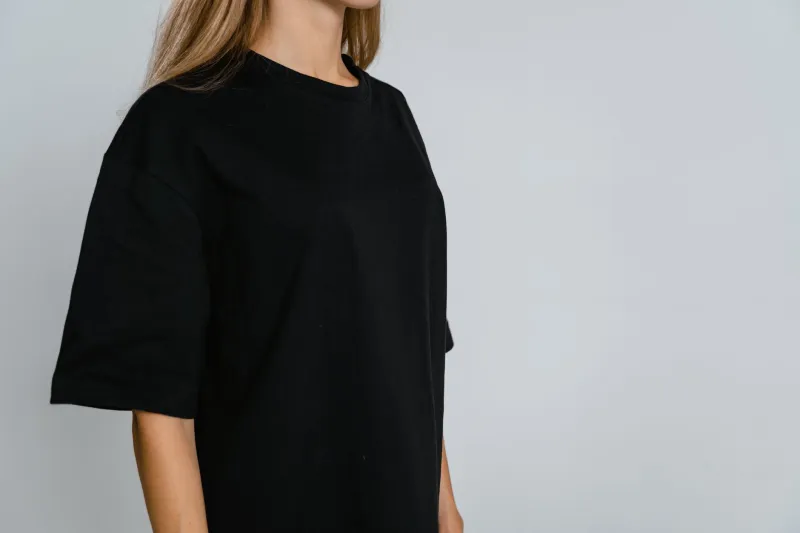
Doing plain well requires a level of attention that most trend-chasers never develop. Fit becomes everything. When there's no print or logo to distract the eye, the silhouette has nowhere to hide. A white tee that fits right is a different garment than one that doesn't — and knowing the difference means you've had to develop an actual eye, not just a feed.
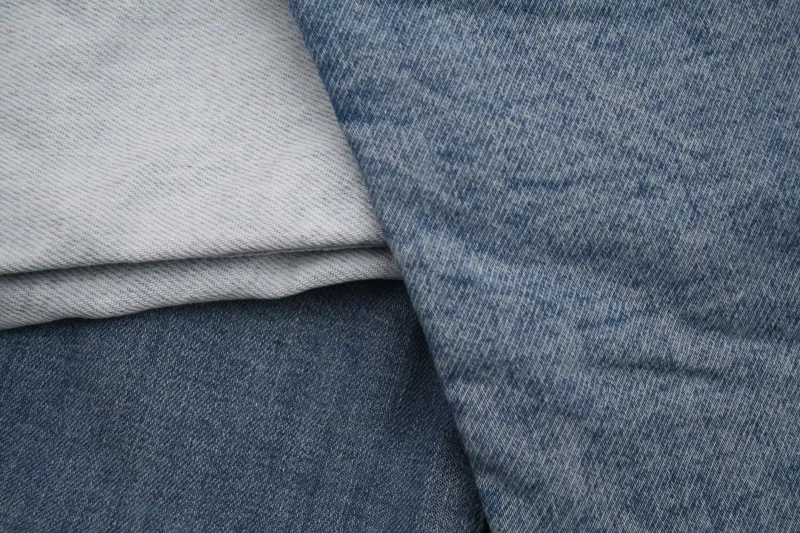
Material matters more, too. The weight of a cotton tee, the way a denim washes over time, whether a hoodie holds its shape after a year of wear — these details are invisible when they're right and glaring when they're wrong. The person who's been dressing plain intentionally for a few years has usually become a quiet expert in these things. They can feel the difference between a garment built to last and one built to move inventory.
And then there's the question of curation. A plain wardrobe doesn't mean owning everything plain. It means knowing which pieces earn a place and why. That's editing. That's taste operating at a level most people never reach because they're too busy chasing the next thing to figure out what they actually like.
Personality Doesn't Need Pattern
The deepest assumption borecore pushes back against is the idea that self-expression requires decoration. That if you're not wearing something that communicates something, you're not communicating at all.
But watch the people who dress this way in a room. The ones who've made the deliberate choice to stay plain. They're often the most distinct people there — not because their clothes are interesting, but because they are. The clothes aren't competing. The person comes through undiluted.
Fast fashion is, at its core, a system that profits from insecurity. It tells you that you need the new thing to be legible, to be interesting, to be enough. Borecore is a quiet refusal of that premise. It says: I already know who I am. I don't need to announce it every season.
That's not a lack of creativity. That's creativity that's graduated past the need for constant proof.
None of us got here by following the drop schedule. The most interesting people in any room usually look like they dressed in the dark — and somehow, they're the ones you can't stop watching. That's not an accident. That's the art of nothing, done right.