When the Uniform Eats Itself: The Politics of Dressing Like Everyone and No One
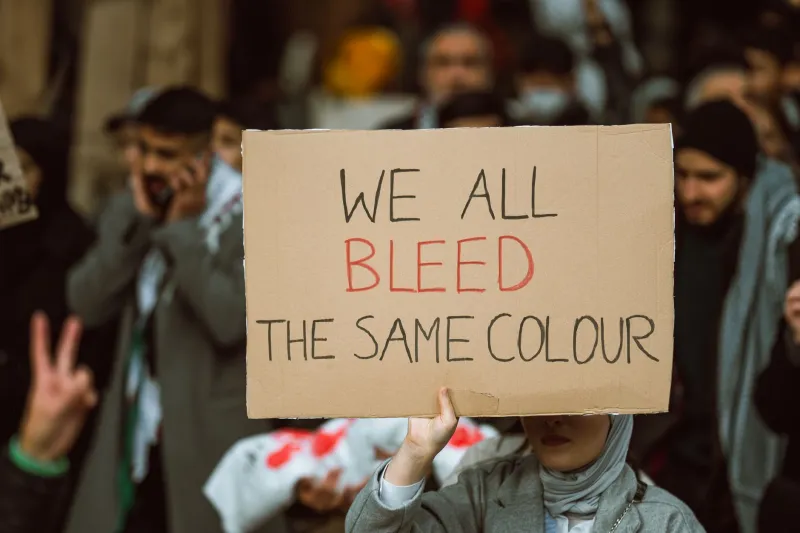
Something uncomfortable happened somewhere between the fall of logomania and the rise of 'quiet everything.' The people who were supposed to look different from each other stopped looking different from each other.
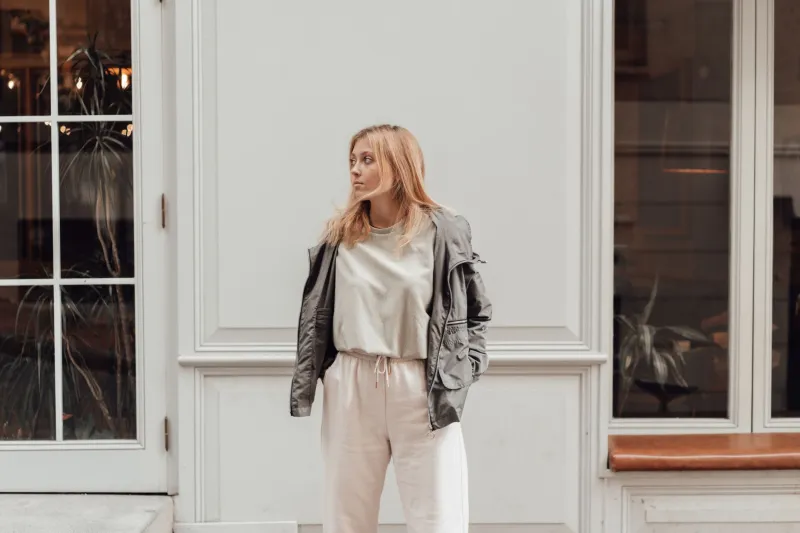
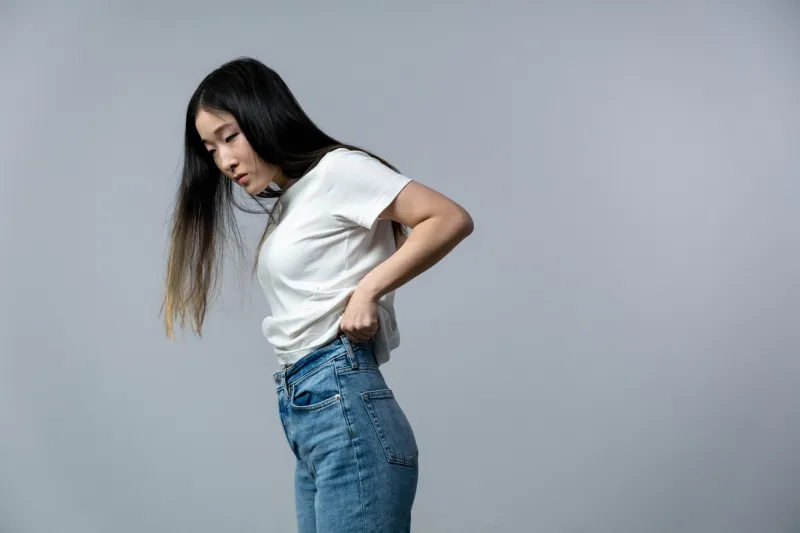
Pull up any photo from a tech conference in San Francisco. Now pull up a photo from a zine fest in Portland. A climate rally in DC. A founder's day at some Y Combinator cohort. Swap the backgrounds and you'd be hard-pressed to sort the crowds. Neutral tones. Functional silhouettes. Unbranded or barely branded. The kind of clothes that announce, loudly through their very silence, that the person wearing them is above the noise.
The question worth sitting with: when everybody's wearing the uniform of nobody, who actually wins?
The Aesthetic That Ate Itself
Let's back up. The stripped-down, anti-logo, earth-toned wardrobe didn't start in a boardroom. It grew out of a genuine rejection—of conspicuous consumption, of trend cycles, of the idea that your clothes should be a billboard for someone else's brand equity. Punks, activists, artists, and people who simply couldn't afford the hype all arrived at a similar place: plain, durable, worn-in, intentional. The look said I'm not playing your game.
The problem with any visual language is that it's legible. And once it's legible, it's copyable. And once it's copyable, it gets copied—by exactly the people it was meant to exclude.
Silicon Valley didn't accidentally discover the black turtleneck and the raw denim. It made a calculated cultural acquisition. The minimalist wardrobe got reframed as a productivity hack, a signal of focus, a way of telegraphing that you were too busy disrupting industries to think about what you wore. Steve Jobs is the obvious reference point, but the aesthetic spread far beyond any single person. It became the default costume of a specific kind of power: the power that wants to look like it's opted out while it's very much opted in.
Same Clothes, Opposite Intentions
Here's where it gets genuinely weird. The anti-establishment activist and the venture capitalist are, in many cases, shopping at the same places. Thrifted Carhartt. A plain white tee. Worn-out New Balance. Functional outerwear in colors that don't scream anything.
The intentions behind those purchases could not be more different. One person is rejecting the consumption machine; the other is performing a rejection of the consumption machine while funding it. One is trying to disappear from a system that surveils and sorts people by appearance; the other is trying to signal that they're enlightened enough to not need symbols of status—which is, of course, its own status symbol.
But here's the brutal truth: from across the street, you cannot tell them apart.
This isn't just an aesthetic problem. It's a political one. The visual shorthand that subcultural movements rely on to identify allies, to signal values, to build community—that shorthand only works when it's not universally fluent. The moment the dominant culture learns the dialect, the signal degrades. You lose the ability to find your people by looking for your people.
Who Benefits From the Blur
When the look of dissent becomes indistinguishable from the look of the status quo, one side has a lot more to gain from the confusion than the other.
A CEO in plain clothes gets to coast on the cultural credibility of people who built that aesthetic out of genuine need or genuine politics. They get to look relatable, approachable, like they're not the kind of person who owns four houses and a private jet. The clothes do PR work that no press release could pull off.
The activist, the artist, the broke kid who thrifted their whole fit out of necessity—they get nothing from that equation except the slow erosion of a visual language that used to mean something. They don't get access to the power the CEO holds. They just get lumped in with it aesthetically, which makes organizing and recognition harder, not easier.
The blur doesn't flatten hierarchy. It just makes the hierarchy harder to see.
The Trap of 'Timeless'
One of the sneakier moves in this whole story is the word timeless. It gets applied to basic silhouettes and neutral palettes as though they exist outside of history and politics. They don't. Nothing does.
The 'timeless' wardrobe is a product of specific cultural moments, specific economic pressures, specific political moods. Calling it timeless is a way of depoliticizing it—of stripping out the context that gave it meaning and selling it back as something neutral and universal. And once it's neutral and universal, it's available to everyone, including the people who have every reason to want to look neutral and universal because they'd prefer you not clock what they actually represent.
There's no such thing as a politically neutral outfit. The claim of neutrality is itself a position. Usually a pretty comfortable one.
Does It Still Mean Anything
So where does that leave the rest of us? If the visual language of opting out has been absorbed, does dressing this way still carry any weight?
Maybe. But probably not in the way it used to.
What it means now probably has less to do with the clothes themselves and more to do with everything around them—the context, the community, the choices stacked on top of each other. A plain black hoodie from a brand that's actually funding mutual aid infrastructure reads differently than the same hoodie from a DTC startup that donates one percent to something vague. The object is the same. The meaning isn't.
That's harder than just buying the right thing, which is probably the point. Meaning was never really in the garment. It was in the practice, the relationships, the consistency between what you wear and what you do. The system is good at copying surfaces. It's less good at copying the actual work.
Wear It Like You Mean It
None of this is an argument for abandoning the aesthetic. It's an argument for not letting the aesthetic do all the heavy lifting.
If your clothes are supposed to say something, you probably also need to be saying it—out loud, with your time, with your money, with who you show up for. The uniform of resistance was never supposed to be a costume you put on to feel a certain way. It was supposed to be the outermost layer of something that went a lot deeper.
When everyone's wearing the same thing, the clothes stop being the signal. You have to become the signal.
That's inconvenient. It's also kind of the whole point.