One Thing, Forever: The People Who Found Freedom in a Single Piece of Clothing
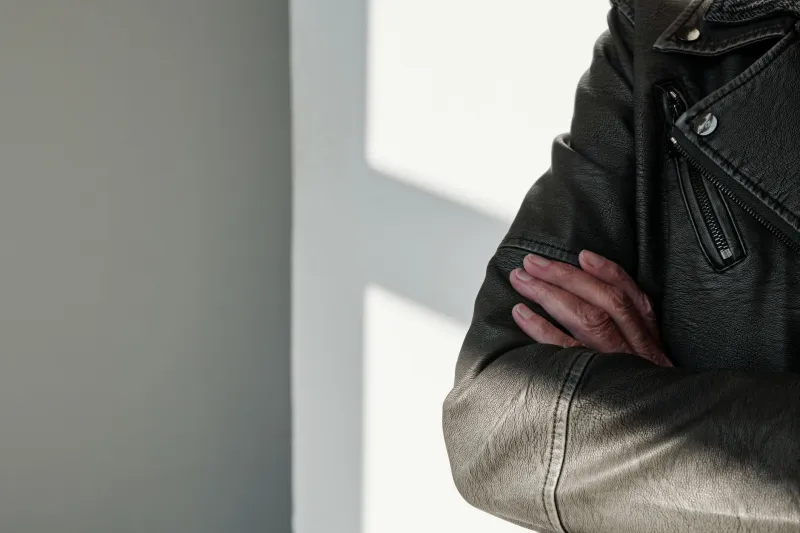
There's a leather jacket hanging in a closet in Portland, Oregon that is older than most TikTok users. Its owner, a 44-year-old muralist named Dez, bought it secondhand in 2003 for eleven dollars at a church sale in Ohio. The lining has been replaced twice. The left shoulder seam has been hand-stitched so many times it looks like a topographic map. Dez does not consider buying another jacket. The question, when asked, lands like a joke with no punchline.
"It's not a jacket," she says. "It's closer to a position."
That word — position — keeps coming up when you talk to people who've committed their wardrobe lives to a single piece of clothing. Not a capsule wardrobe. Not a uniform in the Silicon Valley tech-bro sense, where the point is optimization and the subtext is I'm too important to think about clothes. Something different. Something closer to a vow.
The Tyranny of Options
We live in a moment of almost surreal clothing abundance. Fast fashion has made it possible to buy a new outfit for less than a sandwich. Algorithms serve up an endless scroll of what you could be wearing instead of what you are. The average American throws away around 81 pounds of clothing per year. The message from every direction is the same: there is always something newer, better, more you just around the corner.
For some people, that message became unbearable.
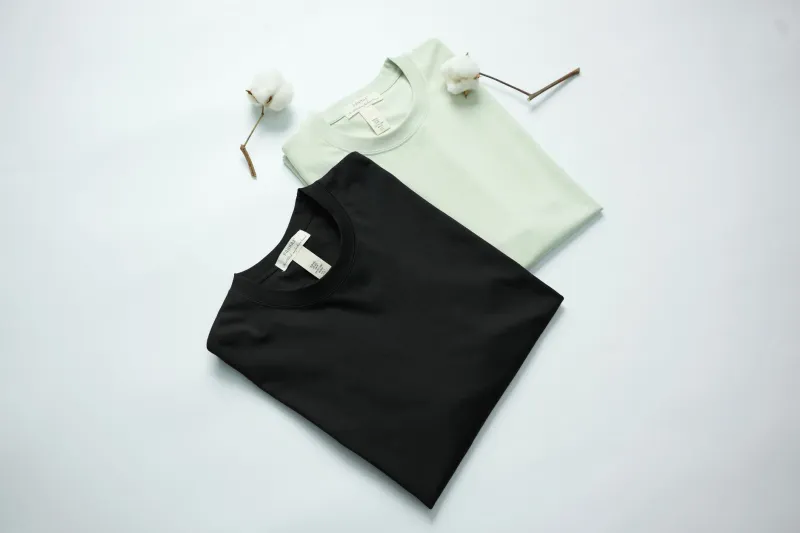
Marcos, 37, a high school art teacher in Chicago, has worn the same style of black Levi's 501s since he was nineteen. Not the same pair — he's on his seventh — but the same cut, the same wash, the same fit. When a style gets discontinued or altered, he buys backstock. He owns four identical pairs right now.
"I got so exhausted by the ritual of figuring out what to wear that I just... stopped," he says. "And then I realized the exhaustion wasn't really about clothes. It was about this constant pressure to signal who I was to people. Like, every morning was a performance review."
Removing the variable didn't make Marcos invisible. It did the opposite. Now when people notice him, it's for his work, his words, the things he actually does. The jeans became a kind of negative space — a refusal to let clothing do the talking.
What Repetition Actually Means
Psychologists have a term for the cognitive load that comes with too many choices: decision fatigue. It's real, it's documented, and it hits hardest in the small daily decisions that feel low-stakes but accumulate into genuine mental weight. Plenty of high-functioning people — from Barack Obama's famously limited suit rotation to artists who wear the same work clothes every single day — have cited this as a reason to simplify.
But the people we're talking about aren't simplifying for productivity. They're doing something more personal, and more political.
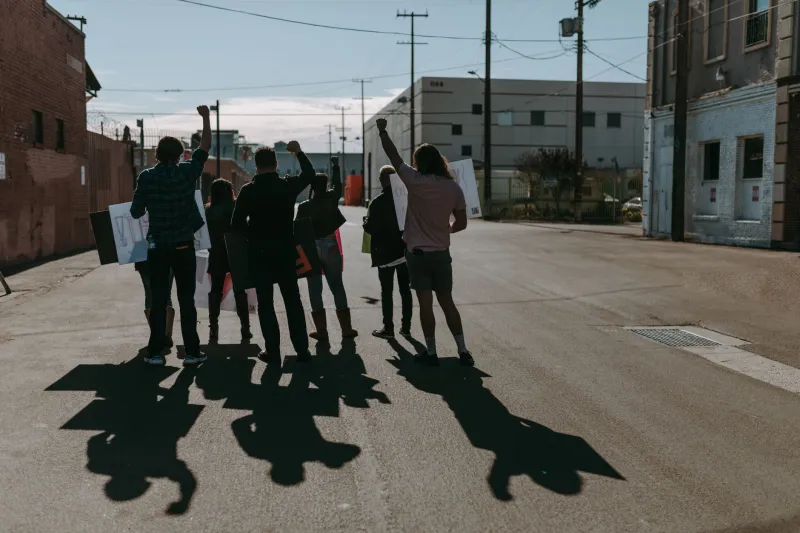
Jade, 29, is a Brooklyn-based zine maker who has worn the same pair of steel-toed Doc Martens 1460s since she was a junior in high school. They've been resoled. They've crossed state lines, attended protests, stood at her mother's funeral. She polishes them on Sundays.
"There's this assumption that caring about clothes means constantly wanting new clothes," she says. "But I care deeply about these boots. I know every scuff. I know which ones happened where. That's not nothing. That's actually a whole archive."
She's right. What she's describing is the opposite of fast fashion's logic. Fast fashion asks you to forget — to move on, to consume the next thing and let the last thing dissolve. Jade's boots are a record. They hold a version of her life that no Instagram grid can replicate, because they were actually there.
The Anti-Flex
There's a class dimension here worth sitting with. In a culture where wealth increasingly signals itself through access to novelty — limited drops, seasonal wardrobes, the ability to be seen in something different every week — wearing the same thing becomes a kind of refusal. Not poverty. Refusal.
Dez, back in Portland, is aware of how her jacket reads. She's been to gallery openings, client meetings, weddings in that jacket. She's been looked at sideways. She's also been approached by strangers who want to know the story.
"People who get it, get it immediately," she says. "And people who don't get it are usually the people who think clothes are about impressing other people. I stopped doing that a long time ago."
This is where the single-item devotee starts to look less like an eccentric and more like a critic. In a market that profits from your insecurity — that needs you to believe you are perpetually incomplete, perpetually in need of the next update — choosing one thing and committing to it is a small but genuine act of resistance. It says: I am not a gap in the market. I am not a problem your product solves.
The Thing About Authenticity
The word gets thrown around so much it's nearly hollow, but authenticity in clothing has always been about time. A vintage piece earns its credibility through use. A worn-in jacket tells a different story than one distressed in a factory. The single-item loyalists are, almost accidentally, making something that the fashion industry cannot manufacture: a garment with actual history attached to a specific human life.
Marcos puts it plainly: "My jeans are authentic because I've been wearing them since I was nineteen and crying over a breakup and teaching my first class and watching my dad get sick. No brand can sell you that. You can only live it."
There's also something worth naming about the way these commitments push back against identity as performance. We're deep in an era of personal branding, where who you are is supposed to be legible, curated, and marketable at all times. The single-item wearer opts out of that contract. They're not building a brand. They're just living in a jacket.
How to Find Your One Thing
If any of this resonates — if you've been quietly exhausted by the churn, if you've ever looked at a closet full of clothes and felt like you owned nothing — the entry point is simpler than you think.
It starts with noticing what you actually reach for. Not what you think you should wear. Not what looked good on someone else. What do you put on when nothing is at stake and no one is watching? That thing. Start there.
The commitment doesn't have to be dramatic. It doesn't require a manifesto or a social media announcement. It just requires paying attention — to what a piece of clothing feels like after a year, after five, after ten. What it accumulates. What it survives.
Dez still wears the jacket. She'll be wearing it when it finally gives out completely, at which point she'll probably have it patched one more time.
"People ask me if I'm tired of it," she says. "I ask them if they're tired of their own face."
Some things you don't get tired of. Some things you just get more sure of, the longer you wear them.