Nothing Here Is for Sale

Photo: Eva Rinaldi, CC BY-SA 2.0, via Wikimedia Commons
By 9:15 a.m. the tables are up and the hall already smells like cedar and old coats.
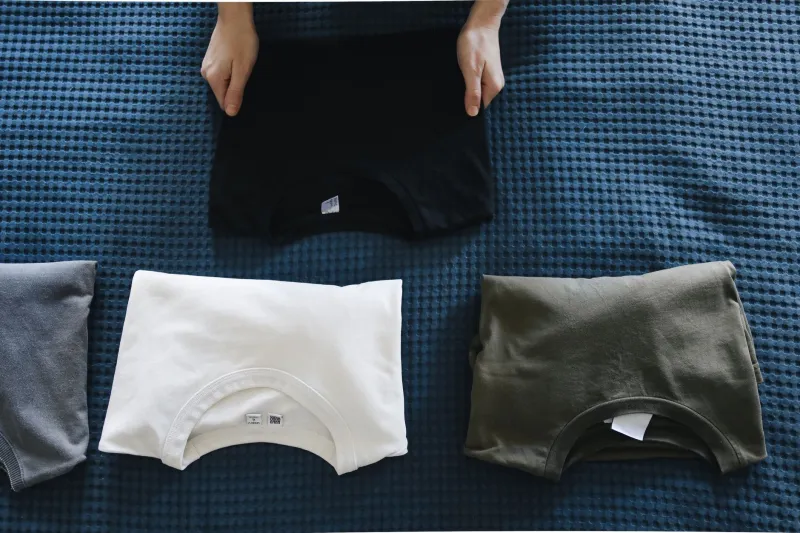
It's a rented room in an aging Polish-American hall on Cleveland's west side, the kind of building with a stage at one end and a kitchen nobody's used since the nineties. Fourteen folding tables, arranged in a horseshoe. Garbage bags the size of a person. Milk crates. A hand-lettered sign taped above the coffee urn that says, in marker: NOTHING HERE IS FOR SALE. TAKE WHAT YOU NEED. LEAVE WHAT YOU DON'T.
Denise, who has run this thing for six years and does not want her last name in an article, is peeling price stickers off a wool coat with her thumbnail. “You can't catch all of them,” she says. “But you try. People see a tag, they start doing math. That's the opposite of what we're here for.”
9 a.m.: The Sort
The sort is where the politics happen, and almost nobody sees it.
By ten, six volunteers are going through the donations. This is not neutral work. Somebody has to decide that the Patagonia fleece goes on the front table and the faded swimsuit goes in the textile-recycling bin. Somebody has to decide that the plus-size section gets real square footage instead of one sad half-table at the end, which is how it goes at most swaps until someone complains.
“Every person in this room has a taste,” Denise says. “You can't pretend you don't. What you can do is notice it.”
So they sort by what will get worn, not by what looks expensive. The brand-name stuff doesn't get a throne. The work boots do, because they leave the room first every single time.
The Rules on the Wall
There are four, sharpied on a piece of poster board by the door:
- No money. Don't offer, don't accept.
- Take what you'll actually wear, not what you could actually sell.
- Nobody grabs from anyone's hands.
- You don't have to bring anything.
That last one causes the most arguments, and it's the most important. Genuine free stores don't run on a strict ledger, because the second you require a donation to receive one, you've built a smaller, sadder mall. Goodwill has already spent forty years pretending that a receipt for a tax deduction is the same thing as charity.
11:04
The doors open and for about ninety seconds the room is a wave.
Then it slows into something else — a low, murmuring, cooperative digging. Two women negotiate over a single rack. A teenager finds a leather jacket three sizes too big and is told, correctly, by a stranger she's never met, “You could wear it like that.”
Somebody's toddler is under table six, entirely unsupervised, wearing a bridesmaid's sash.
There is a full-length mirror near the kitchen, and a line for it, and the line is where the etiquette lives. You model. Nobody's hoping you look bad. This is the thing that separates a swap from a store: the room wants you to find something. There is no margin on your insecurity here.
Who the Rack Is Actually For
Here's where I stop pretending this is simple.
A swap like this serves two crowds that look identical and aren't. There are people who need a coat, full stop — the ones who come in, go straight to the winter table, and are gone in ten minutes. And there are people who are here because it's fun, because they're testing out a personal style they're not ready to pay for, because it scratches the same itch as a haul video at zero cost.
Both are welcome. That's the whole design. But you can feel the tension, and anyone who tells you otherwise is lying or hasn't hosted one. The person on a budget notices when someone with a $400 handbag takes six items to try on. The person with the handbag notices they're being noticed and starts performing restraint, which is its own kind of tax.
Denise's answer is not to police it. “If I start deciding who deserves a sweater, I've become the worst store in Cleveland,” she says. “You want to fix it? Put good things on the tables. Nobody takes what they don't need when there's enough.”
4 p.m.: The Leftovers
By four, the room is dead calm and the tables look picked over in a way that feels honest. What's left is the hard stuff: single shoes, a lot of beige, a formal dress from 1994 with a shoulder pad situation that no one has been brave enough for since.
The volunteers do the last sort — and this is the part the resale economy doesn't want you to picture. Some leftovers go to a shelter downtown that actually asked for them. Some go to textile recycling, which is a polite name for a shredder. And some go in the dumpster, because there's no third option and there never has been.
No cash box to count. No revenue. No analytics. Nothing was sold and nobody made anything, and about three hundred pounds of clothing went home on the backs of people who are going to wear it until it's done. Which is not a solution to the fashion industry and never claimed to be. It's just four hours in a room where the price tags came off, and it turns out we can still tell what things are worth without them.
Denise is already stacking the tables. Next one's in six weeks. Bring a bag.