No Logo, No Problem: A Road Trip Through America's Quiet Style Rebels
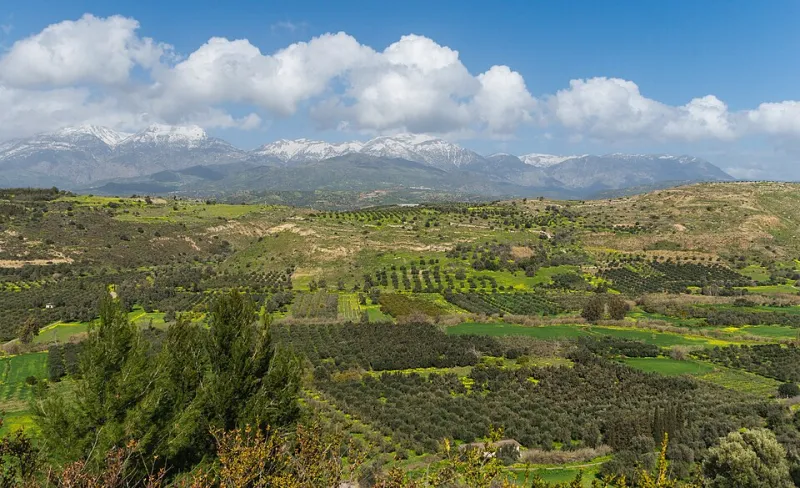
Photo: Jebulon, CC0, via Wikimedia Commons
There's a particular thrill in spotting someone whose outfit tells you everything and nothing at the same time. No chest prints. No little embroidered pony. No sneakers that double as stock tickers. Just clothing doing its job, worn by someone who clearly thought about every inch of it anyway.
Spend enough time crisscrossing this country and you start to notice these people travel in tribes. Not tribes by accident — tribes by design. They've each arrived at the same conclusion from different directions: the logo is a leash, and the leash is optional. Here's a field guide.
The Desert Rats
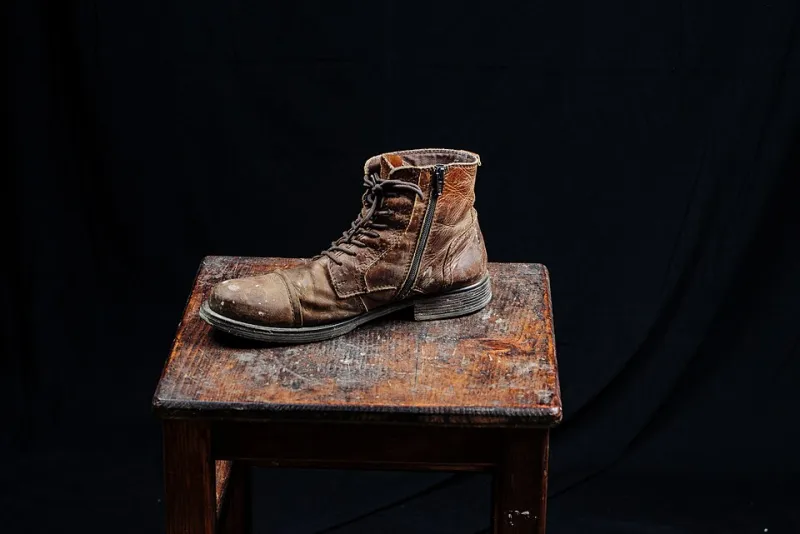
Head to the high desert of New Mexico, southern Utah, the stretches of Nevada where the radio gives up. The uniform is sun-bleached past caring: faded canvas work shirts, wool hats with brims gone soft and wavy, boots resoled until the original leather is a memory. Everything looks like it was left on a fence post for a decade, because a lot of it was.
The signal here is endurance. A desert rat's wardrobe is a résumé of seasons survived. Nothing is branded because nothing needs to be — the patina is the credential. When a luxury label tries to sell this look back to them, pre-faded and pre-weathered, it reads as a joke told by someone who's never been thirsty.
The Dirt-Bag Climbers
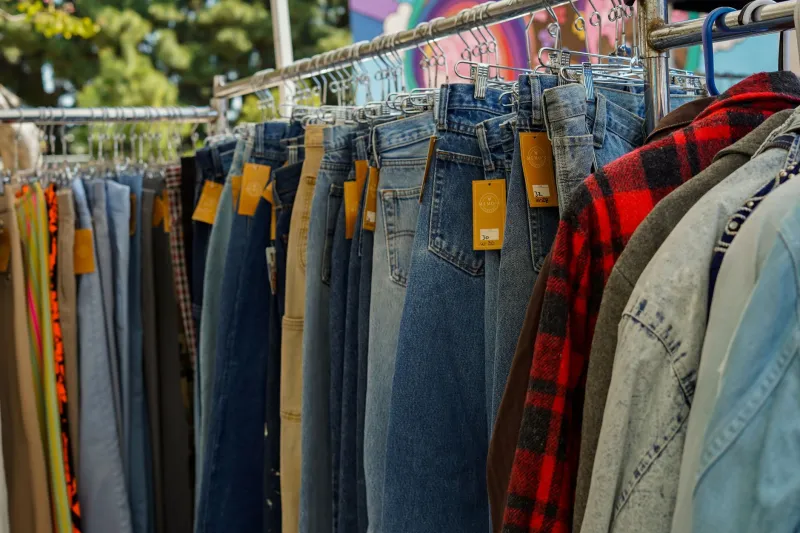
Every climbing area has a parking lot, and every parking lot has a population living out of it. Squamish up north, the New River Gorge, Bishop in the eastern Sierra. The dirt-bag climber's look is a masterclass in subtraction: thrifted technical jackets with the logos picked off, cut-off cargo pants held by faith and chalk, sandals in January.
What's interesting is how deliberate the logo removal is. Climbers will spend real money on performance gear and then spend an evening with seam rippers erasing the branding from it. The function stays; the advertising goes. It's the clearest possible statement about what they actually value: the tool, not the tell.
The Gulf Coast Watermen
Down in the fishing towns of Louisiana and the Florida panhandle, there's a style so plain it's almost invisible: sun-faded button-downs with sleeves rolled to the forearm, rubber boots, caps so salt-scoured the embroidery has flattened into texture. The watermen wearing them aren't making a statement. That's the statement.
Their clothing is chosen against one enemy — the sun — and one judge: the weather. Branding doesn't survive either. And in towns where everyone knows what everyone does for a living, a logo would be a lie told to an audience that can't be fooled.
The Rust Belt Regulars
Buffalo, Flint, Gary, Youngstown. The unbranded look here is inherited as much as chosen: plain pocket tees, carried work jackets, steel-toe boots bought at the same store your father used. Decades of deindustrialization taught these towns exactly what a corporate logo promises and what it delivers. Wearing blank clothing isn't a philosophy here — it's a memory.
The New England Quiet Rich
Yes, even the prep has gone logo-free. In certain coastal Maine and Massachusetts towns, the status move is clothing so unmarked it requires insider knowledge to read. The right plain oxford, the correct unbranded boat shoe. It's gatekeeping without graphics — exclusion you can only see if you've been told the password.
Why This Is Becoming a Status System
Here's the uncomfortable part: logo-free dressing is developing its own hierarchy, and it's just as brutal as the one it replaced. The plain tee that costs $9 signals one thing; the plain tee that costs $95 signals another to anyone who knows. Stealth wealth, quiet luxury — the vocabulary is everywhere now. Removing the logo didn't remove the competition. It just made the test harder to study for.
But there's a difference between the tribes above and the catalogs imitating them. These looks weren't designed to exclude. They were designed to work, to last, to disappear into a life. That's the thing no brand can knock off: clothes that stopped performing a long time ago.
Wear plain if you want. Wear worn. Just know that the goal was never to look like you don't care. The goal was to finally be free to care about something else.