Show Me the Receipts: How to Tell If a Brand Actually Stands for Something
Somewhere between the third brand posting a black square in 2020 and the fifth company dropping a "feminist" tee made in a Bangladeshi factory paying workers below living wage, a lot of us started developing a pretty acute radar for corporate performance. The fashion industry, in particular, has gotten very good at dressing up business as usual in the language of dissent.
But here's the thing: not every brand is faking it. Some genuinely built their operations around the values they advertise. The challenge is figuring out which is which — and that requires going past the homepage copy and actually looking at how a company operates.
This is that guide.
Why Aesthetics Are the Easiest Thing to Fake
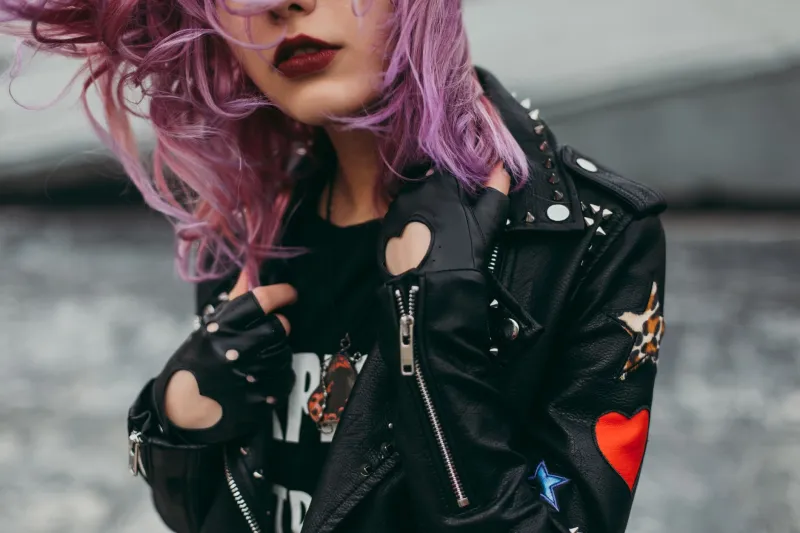
Let's start with a basic truth: a skull graphic costs the same to print as a smiley face. Slapping a raised fist on a hoodie doesn't require any structural commitment to the politics that image represents. And yet, for a lot of consumers — especially younger ones who've grown up fluent in countercultural visual language — that imagery reads as authenticity.
Brands know this. It's why you'll find major fast fashion retailers selling "protest" tees during election cycles, or heritage sportswear companies suddenly pivoting their messaging to align with whatever social movement has the most cultural momentum at a given moment. The aesthetic of resistance is extremely marketable. The actual practice of it — paying fair wages, maintaining transparent supply chains, taking concrete political stances that might cost you customers — is considerably more expensive and complicated.
So the first principle of evaluating a brand is this: separate the message from the mechanism. What does the brand say it stands for? Now, what evidence exists that it operates accordingly?
The Four Things That Actually Matter
1. Supply Chain Transparency
This is the foundational test. A brand that genuinely cares about ethical production will tell you — clearly, specifically, and without burying it in vague language — where and how its products are made.
Look for: Named factories (not just "we work with ethical manufacturers"), audit results, living wage commitments with actual numbers attached, and third-party certifications that have teeth — Fair Trade USA, B Corp certification, GOTS (Global Organic Textile Standard), or bluesign for performance fabrics.
Red flags: Language like "we're on a journey toward sustainability" with no benchmarks. Vague references to "ethical sourcing" without specifics. A lack of any factory disclosure whatsoever.
Brands worth noting here: Patagonia has been publishing its supply chain data for years and has a formal program for environmental activism grants. Eileen Fisher maintains a take-back and resale program and publishes a detailed social impact report annually. Neither is a small indie label, but both demonstrate that transparency at scale is possible when a company actually prioritizes it.
On the independent side, Everybody.World (based in LA) makes everything domestically, uses recycled and deadstock fabric, and is extremely specific about where their materials come from. That level of accountability is what supply chain transparency actually looks like.
2. Labor Practices — Domestic and Abroad
The fashion industry's labor problem isn't limited to overseas factories. Domestic garment workers — many of them undocumented immigrants in cities like Los Angeles and New York — are routinely paid piece rates that fall well below minimum wage. A "Made in USA" label is not automatically an ethical one.
What to look for: Does the brand pay a living wage (not just minimum wage, which varies wildly by state and is not the same thing)? Do they have a formal relationship with their manufacturers, or are they using intermediary cut-and-sew operations that obscure accountability? Do they talk about their workers as people, with specifics, or are they just a vague ethical abstraction?
Lingua Franca, a New York-based knitwear label, pays its embroiderers — mostly women of color in NYC — a transparent hourly wage and publishes that information. That's rare and worth acknowledging.
3. Political Action — Not Just Statements
This is where a lot of brands fall apart. Posting a statement in support of reproductive rights costs nothing. Donating a percentage of sales to abortion funds, closing your business to allow employees to vote, or publicly opposing legislation that affects your workers and customers — that's different.
Ask: Does this brand donate to political causes or organizations? If so, which ones, and how much? Have they ever taken a position that cost them something — alienated a segment of their customer base, drew negative press, or required them to change a business practice?
Patagonia again: they've sued the federal government over public land rollbacks. That's a concrete political action with real legal and financial stakes. You don't have to agree with every decision a company makes to recognize the difference between that and a carefully worded Instagram caption.
Smaller brands like Otherwild (LA-based, queer-owned) have built their entire identity around explicit political commitments — donating to abortion access organizations, running explicitly activist campaigns — rather than gesturing at politics aesthetically.
4. Business Structure and Ownership
Who owns the brand matters. A company that's been acquired by a private equity firm, or that's owned by a larger conglomerate with very different values, is operating under different incentives than an independent, founder-owned operation.
This doesn't mean every indie brand is virtuous or every large one is corrupt — but ownership structure shapes what a company is ultimately optimizing for. A PE-backed brand is optimizing for exit value. A founder-owned brand may be optimizing for something else entirely.
Look for: B Corp certification (which requires legal accountability to values beyond profit), worker-owned cooperative structures, or at minimum a clear statement of who owns the company and who profits from it.
A Quick Scorecard
When you're evaluating a brand, run through these five questions:
- Can you find named factories or manufacturers on their website? (Yes = good sign. No = red flag.)
- Do they publish wage data or pay equity information? (Yes = rare and meaningful. No = standard, but ask why.)
- Have they taken a political position that had a cost? (Yes = meaningful. "We support everyone" = not a position.)
- Who owns them? (Independent/founder-owned = generally more accountable. Conglomerate-owned = scrutinize harder.)
- Is their "sustainability" language specific or vague? (Specific with numbers = credible. "We're committed to doing better" = marketing.)
The Honest Bottom Line
No brand is perfect. Even the most conscientious independent labels make compromises, use materials that aren't fully traceable, or fall short of their stated commitments in some area. The goal isn't to find a brand that's beyond criticism — it's to support the ones that are genuinely trying, being honest about where they fall short, and building accountability into how they operate rather than just how they market.
And if you can't find a brand that meets that bar? Make your own. Thrift and customize. Buy secondhand. Opt out wherever you can.
None of us are going to shop our way to a better world. But we can at least stop paying for the performance of values that aren't being practiced.