Fake It Till They Sue You: The Art and Politics of the Deliberate Knockoff
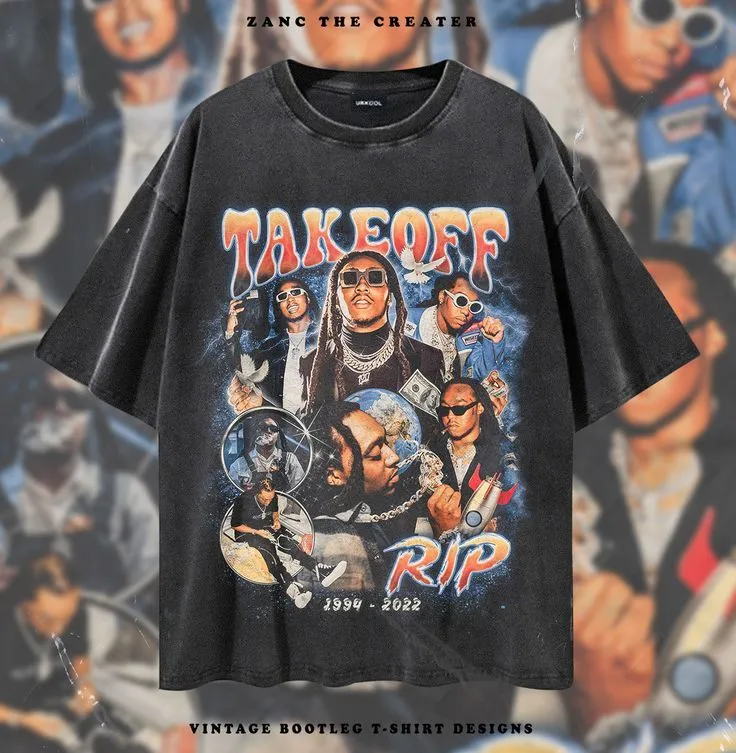
Photo: bootleg parody fashion t-shirt with distorted brand logo street style, via i.pinimg.com
Let's start with a hypothetical. You're wearing a hoodie. On the chest, there's a logo — but it's slightly wrong. The font is off. The icon is warped. The brand name is close, but not quite. It might say something like SWOOSH NOTHING where a famous checkmark should be, or feature a luxury house's monogram pattern rearranged into something explicitly absurd.
Is that fashion? Art? Protest? A lawsuit waiting to happen?
Yes. Probably yes to all of it.
The deliberate knockoff — the parody logo, the bootleg aesthetic, the intentionally fake — has a long and complicated history in American streetwear and underground fashion. But something has shifted in recent years. What used to be primarily about access (getting the clout of a luxury symbol without the price tag) has increasingly become about critique. About using the master's tools, in the most literal sense, to dismantle the master's brand.
The Original Bootleg Economy
Counterfeit fashion has always existed in the shadow of the real thing — Canal Street knockoffs, Chinatown Guccis, fake Nikes flooding flea markets in the '90s. For a long time, the conversation around counterfeits was mostly economic. Poor people want nice things. Brands lose revenue. The end.
But that framing misses something important. It treats the logos themselves as neutral — as if the desire to wear a Louis Vuitton monogram is just about status, full stop. It ignores the way that luxury branding functions as a kind of cultural colonization, encoding class aspiration into symbols that are technically public (you see them everywhere) but legally private (only the brand can profit from them).
The bootleg, in this reading, isn't just a cheap substitute. It's a redistribution. A refusal to accept that certain symbols belong only to those who can afford them.
"These logos exist in public space," says Marcus, who runs a small screen-printing operation out of his garage in Detroit and asked us not to use his last name for obvious reasons. "They're on billboards, on buses, on TV. They're part of the visual environment everyone lives in. The idea that only one corporation gets to use them — and that everyone else just has to look at them — is wild when you think about it."
Parody Is a Legal Defense, Not Just a Vibe
Here's where it gets genuinely interesting, and also genuinely complicated.
Under US trademark law, parody is a recognized defense against infringement claims — but it's a narrow one, and brands with deep legal pockets have a way of making the process itself the punishment. The basic principle is that a parody has to be clearly commenting on or mocking the original, and it can't create consumer confusion (i.e., people can't reasonably think the fake is the real thing).
In practice, this means the more obviously absurd your knockoff is, the safer you probably are. A hoodie that says GUCCI in the exact original font is infringement. A hoodie that rearranges the letters into CUGGI over a graphic of a corporate skeleton might be protected speech.
Designers working in this space tend to know the line, even if they're comfortable dancing close to it. Tasha, who creates what she calls "brand autopsy" pieces — apparel that takes luxury logos apart and reassembles them as critiques of the brands themselves — describes her process as deliberate and research-backed.
"I'm not trying to fool anyone into thinking they bought real Chanel," she says. "I'm trying to make people think about what Chanel actually is — who made it, under what conditions, and why we've been taught to worship it. That's commentary. That's protected."
The Politics of the Fake
There's a class dimension to this that's impossible to ignore. The brands most frequently targeted by bootleg culture — the ones whose logos get twisted, mocked, and redistributed — are the same brands that have built empires on manufactured scarcity and aspirational exclusivity. They sell the idea that you can buy your way into a kind of personhood. The bootleg says: what if you didn't have to?
But the critique goes further than just "luxury is fake." Some of the most pointed bootleg work targets corporate brands that have co-opted progressive aesthetics — companies that slap rainbow logos on their products in June, or run campaigns about empowerment while paying poverty wages. The knockoff becomes a way of holding the original accountable, of turning the brand's own visual language against its actual behavior.
"There's something satisfying about using their logo to say what they won't," says one designer who creates small-run pieces through an online shop and ships mostly to buyers on the coasts. "They spent millions making that image recognizable. I'm just borrowing it to tell the truth."
What You're Actually Risking
We'd be doing you dirty if we didn't say this clearly: making and selling parody or bootleg apparel carries real legal risk, even when you think you're on solid satirical ground. Cease-and-desist letters are cheap to send and expensive to respond to. Some brands litigate aggressively regardless of the merits. If you're selling — not just wearing — pieces that use or reference protected logos, you need to understand the risk you're taking on.
That said, wearing a bootleg is a very different legal situation from selling one. And plenty of people are making pieces for personal use, for friends, for community — not for commerce — specifically to stay out of the legal exposure zone while still making the point.
The Authentic Fake
Here's the paradox that sits at the center of all of this: the most honest thing in some of these pieces is the fakeness itself. The deliberate wrongness. The way the logo is just slightly off enough to make you look twice, to interrupt the automatic brand recognition that usually happens below the level of conscious thought.
That interruption is the whole point. It's a tiny act of deprogramming — a moment where the symbol stops working the way it was designed to and starts meaning something else entirely.
None of us actually owns these symbols. We just live inside them. The bootleg is one way of remembering that — and of refusing to let the brands forget it either.
Wear the fake. Make it obvious. Make it mean something.